
The gist of the legislation
Your investment property will need to comply with increased energy efficiency ratings in order to rent it out.
The important parts, at a glance
We’ve picked out the key parts of the legislation and made them as easy as possible to read and understand.
1.
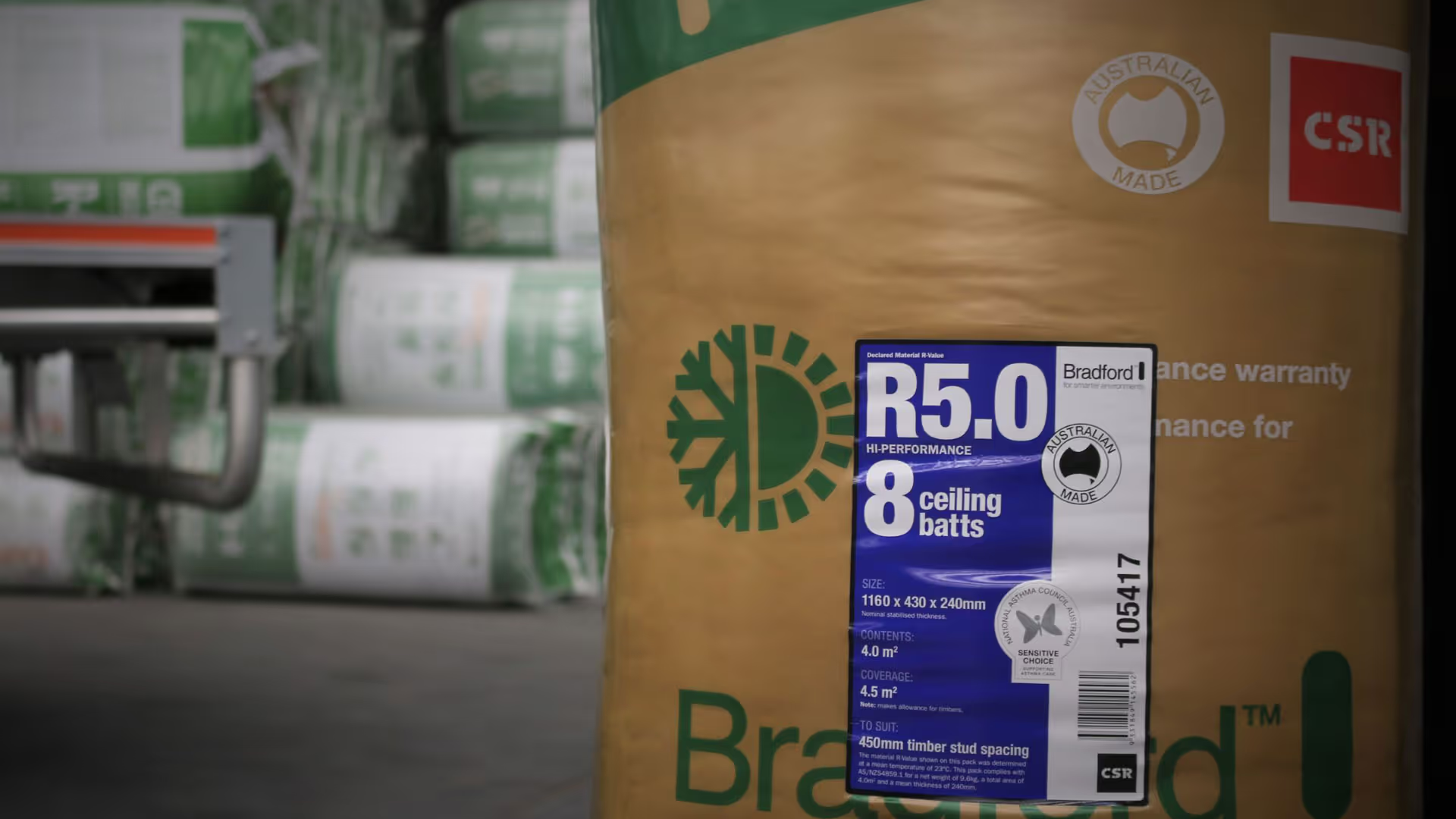
Rental properties with no ceiling insulation or existing insulation rated less than R2 are required to have insulation installed or upgraded to R5. R5 ceiling insulation is what is typically used in new builds.
2.
The R-Value of thermal insulation measures how resistant the insulation is to heat transfer. A higher R-value means a higher insulating rating. In other words, the higher the R-Value, the better the product is at insulating the property. This means less heat loss in winter, less heat gain in summer.
3.
The regulation will commence on April 1, 2023 and will have a phase-in period to 30 November 2026. During the phase-in period, investors will be required to meet the standard within nine months of a new lease being signed for the property.
4.
From April 1, 2023 all properties for rent or rented will be required to disclose whether the property is compliant with the minimum standard in advertisements and in new residential tenancy agreements.
5.
From December 1, 2026 investment properties will need to comply, or be in the process of complying, regardless of whether a new lease has been signed. New properties entering the rental market will have three months to comply with the standard.
6.
Eligible landlords will be able to access a zero interest loan of up to $15,000 to cover the cost of installing insulation under the Government’s Sustainable Household Scheme.
